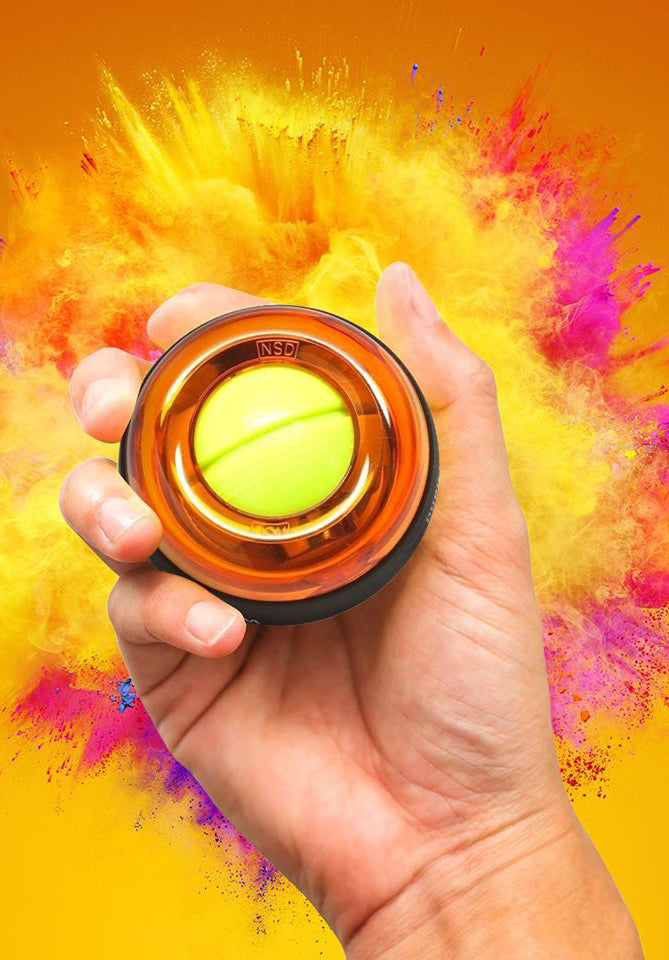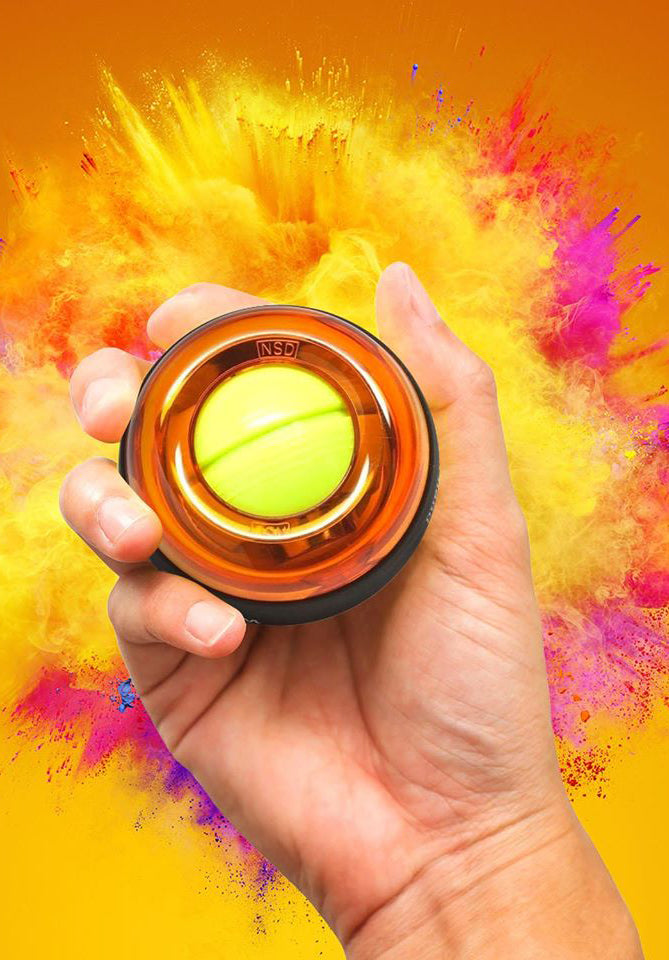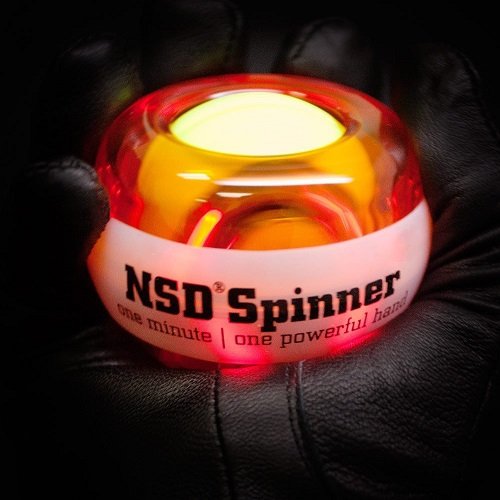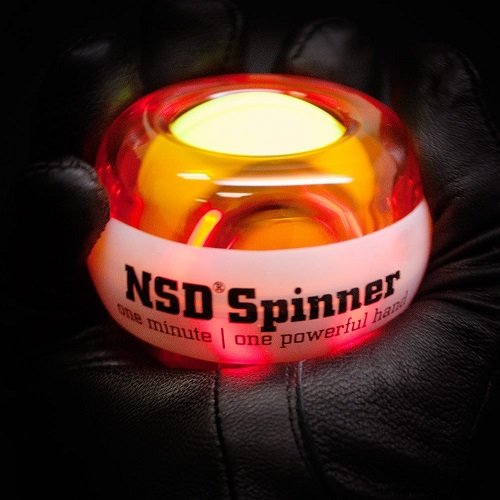
NSD Spinners are scientifically developed to help your arms get the right support they need. Get the right compliment to your arm exercises now.

General education only, not medical advice. Sources are listed at the end.
Cyclist's palsy, also called handlebar palsy, is numbness, tingling or weakness in the ring and little fingers, caused by pressure on the ulnar nerve at the heel of your hand. It is one of the best-known hand problems in cycling. The good news is that most mild cases ease once you take weight and vibration off your hands.
Riders who stay ahead of it do three things. They fix the bike, they vary the grip, and they build hands and forearms that last. This guide covers all three, shows how long recovery usually takes, and tells you when to stop self-managing and see a hand specialist.
Cyclist's palsy is a compression injury of the ulnar nerve where it passes through a narrow tunnel at the wrist called Guyon's canal. Doctors also call it ulnar neuropathy at the wrist or Guyon canal syndrome. In cyclists, long rides, repeated vibration and body weight carried on the hands are the usual drivers.
The ulnar nerve serves the ring and little fingers and many of the small muscles that pinch, spread and grip. Press on it long enough and those fingers tingle, go numb or lose strength. Some riders notice weakness or clumsiness first, especially when pinching hard or doing fine tasks like typing. It can build over weeks of riding, or show up after a single session.
Numb hands on the bike are not always the ulnar nerve. This table helps you sort out what you're feeling:
| Numb or tingling in | Likely source | Usually called | What to do first |
|---|---|---|---|
| Ring and little fingers, heel of the palm | Ulnar nerve at the wrist | Cyclist's palsy / handlebar palsy | Take weight off your hands, change grips often, get a bike fit |
| Thumb, index, middle and ring fingers | Median nerve at the wrist | Carpal tunnel syndrome | Same bike fixes, and ask a clinician about a night splint |
| Ring and little fingers, worse with a long-bent elbow | Ulnar nerve at the elbow | Cubital tunnel syndrome | Avoid holding a bent elbow for long periods and see a clinician |
| Pain at the base of the thumb or wrist that lingers after a crash | Possible bone or ligament injury | Not a nerve problem | Get it imaged. Unhealed fractures can cause lasting pain |

Work through three steps in order: Recover, Reinforce, Retain. Take pressure off the nerve first. Then build hands and forearms that hold up longer. Then protect the habit so you keep riding.
| Step | Goal | What to do |
|---|---|---|
| 1. Recover | Take pressure off the nerve | Get a bike fit, change hand positions often, add padded gloves or soft grips, ease off mileage, and see a clinician if symptoms last past the next day |
| 2. Reinforce | Build hands and forearms that tire later | Strengthen your core, then add grip and forearm work off the bike, such as an NSD Thumb-Wind Start Spinner once a clinician says it's fine |
| 3. Retain | Keep riding for the long run | Build mileage gradually, recheck your fit each season, keep a light grip and take quick hand breaks on long rides |
Most numb hands come from too much weight on the hands, a bent wrist, road vibration and a tight grip, often all at once. Each one is fixable, which is why this problem has such a good track record of settling down.
| Cause | Why it presses on the nerve | The fix |
|---|---|---|
| Too much weight on the hands | A saddle set too far forward, bars too low or too far away, or a tired core all shift weight onto the palms | Shorten reach, raise the bars, reduce saddle drop and build core strength |
| Bent wrist | A wrist angled toward the little finger, toward the thumb or bent back strains the nerves that cross it | Rotate the hoods or bars so your wrist stays in line with your forearm |
| Road and trail vibration | Repeated buzz is absorbed by the heel of the hand | Lower tire pressure, wider tires, padded gloves and bar tape or softer grips |
| A tight grip | Strong gripping combined with vibration is a common cause of ulnar nerve irritation | Hold the bars lightly and shift hand positions often |
| Big jumps in mileage | Sudden load catches the hands and forearms unprepared. BikeRadar's example is a rider going from a 5-hour week to a 20-hour week | Build ride length gradually, especially for bikepacking or back-to-back long days |
| Bars that are too stiff | Some riders find 35 mm bars too stiff, which sends more buzz into the hands | Try a different bar diameter or a more compliant setup |
Start with a professional bike fit, then vary your hand positions and cushion the contact points. The experts BikeRadar interviewed agreed a fit is the quickest and surest route.
Wrist angle matters more than most riders realize. Here is how bike-fit specialists at MyVeloFit link the way your wrist bends to where it goes numb:
| Wrist position on the bars | Where numbness tends to show up | What to adjust |
|---|---|---|
| Bent toward the little finger (ulnar deviation) | Middle, ring and little fingers | Hood angle on a road bike, bar sweep and width on a mountain bike |
| Bent toward the thumb (radial deviation) | Thumb, index and middle fingers | Hood angle or bar sweep, so your wrist sits in line with your forearm |
| Bent back (wrist extension) | Across the whole hand | Reach and drop, so you don't have to choke up on the bars |
Many mild cases settle within days once the pressure comes off, and recovery can take up to about three months depending on how badly the nerve was compressed. Hand therapists say the nerve usually recovers on its own with rest. Faster diagnosis means faster rehab.
| When | What it means | What to do |
|---|---|---|
| Tingling during a ride | An early warning that the nerve is under pressure | Change your grip right away. If numbness starts, head home |
| Still there the next day | Not a one-off | Book a hand-and-wrist specialist. You don't need to see a family doctor first |
| Weakness, clumsiness or shrinking hand muscles | A sign the nerve is being hurt, not just irritated | See a clinician promptly. Repeated nerve damage can harm hand muscles and may be permanent |
| Not gone after about 3 months | Recovery is slower than the usual course | Get assessed by a hand therapist or surgeon |
Treatment starts simple, with rest and bike changes, and moves up only if symptoms persist. A 2022 systematic review of 20 publications found no single agreed protocol for hand nerve problems in cyclists. It proposed first-line strategies of prevention, rest from the start of symptoms, muscle-strengthening rehab and night-time splints, with medication and surgery for stubborn cases.
| Step | What it involves |
|---|---|
| 1. Rest and bike changes | Take a break from riding if needed. Adjust fit, hand positions, grips and gloves |
| 2. Hand therapy | A therapist can give strengthening exercises for the muscles the ulnar nerve supplies |
| 3. Bracing | A neutral wrist splint, often worn at night, keeps the wrist straight so the nerve is less compressed |
| 4. Medication or injection | Anti-inflammatories or a steroid injection, prescribed by a clinician |
| 5. Surgery | Decompression of the ulnar nerve for severe cases that don't respond to conservative care |
Clinicians usually combine position changes, neck and shoulder mobility, core work and grip and forearm strengthening, and tailor it to the person. Work with a hand therapist if you already have symptoms.
Stop any exercise that brings on numbness, tingling or sharp pain, and tell your clinician.
Stronger hands and forearms won't cure a nerve problem, but strengthening is part of what clinicians recommend, and it gives you more in reserve when your grip is working hard. No study shows forearm training prevents cyclist's palsy, so treat it as one piece of the plan, not a shield.
Here is the logic. Gripping, braking and soaking up vibration all run through your forearms. When they tire, riders tend to squeeze harder and let the wrist collapse, which is exactly the pattern that presses on the nerve. Hands and forearms that fatigue later make it easier to hold the bars lightly and keep your wrist straight at mile 60, not just mile 6. That part is our reasoning. The support from research is that a 2022 systematic review lists muscle-strengthening rehab among its first-line strategies for hand nerve problems in cyclists.
The best time to do it is off the bike, in short sessions. That is where a hand-held gyroscopic trainer comes in.
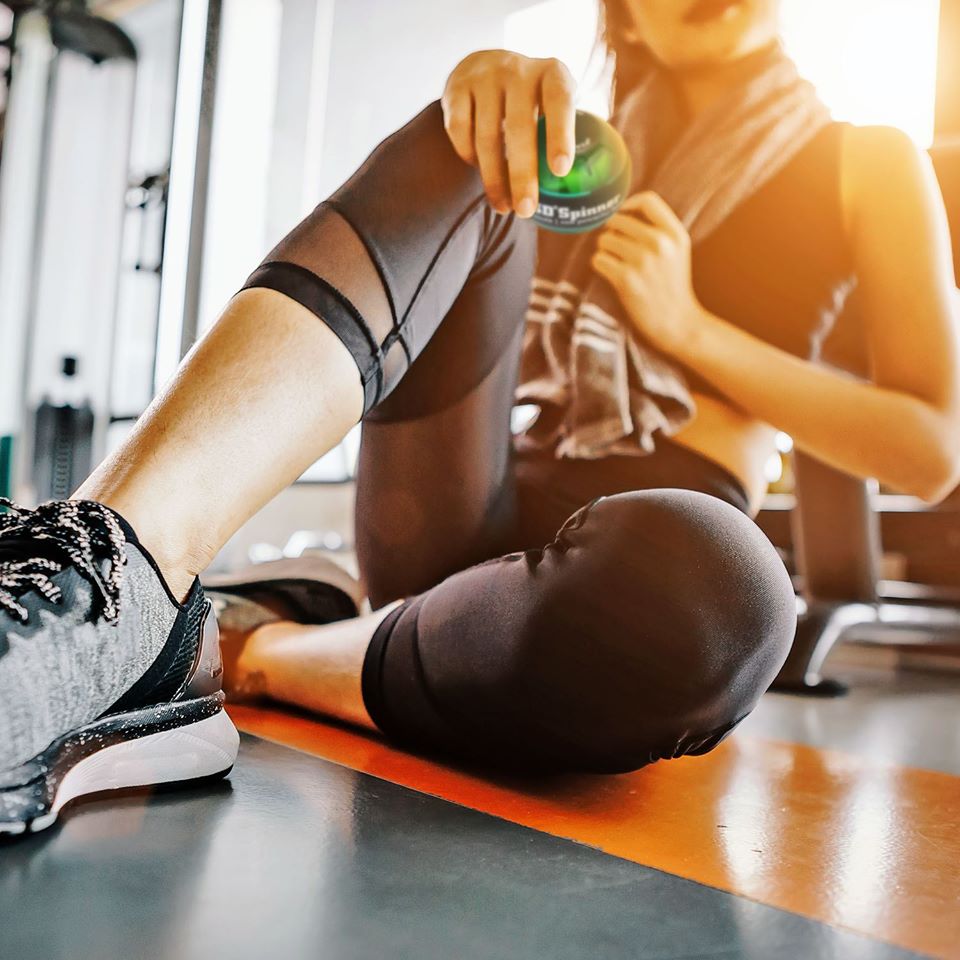
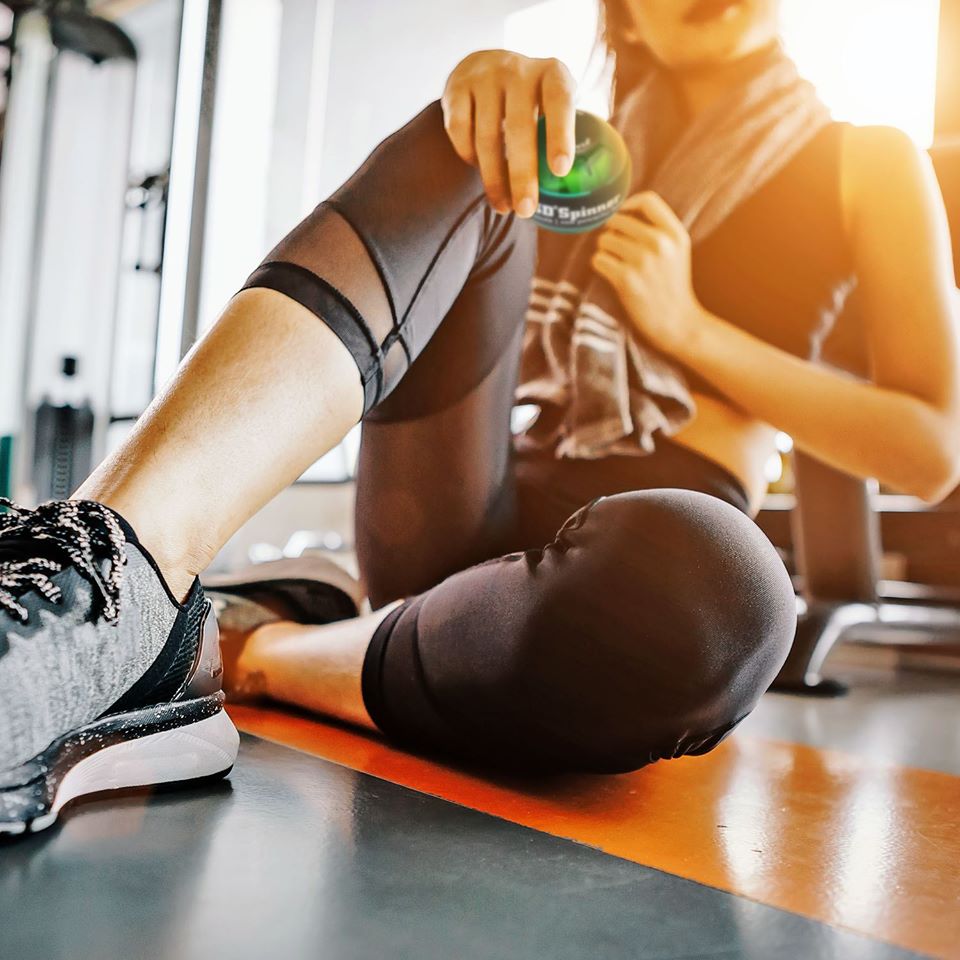
The NSD Thumb-Wind Start Spinner PB-688AML Purple is a hand-held gyroscopic trainer that gives your hands and forearms a quick, measurable workout in a minute or two. There is no string. You roll the rotor back with your thumb, release it, and it spins up on its own. Then you keep it going by circling your wrist. The faster it spins, the harder your forearm works to control it.
What riders can like about it:

What one road biker says. A customer review on NSD Spinner's own site, from a rider who had been struggling with wrist pain:
"Great for cycling wrist pain. Awesome desk toy too."
"I am a road biker and was struggling with wrist pain until I bought this — significant improvement! Also a great item to keep at your desk at work. Highly recommended. Just upgraded to the more challenging 'sterling' version."
One customer's experience, not a typical or guaranteed result. Wrist pain from riding has many causes, this review is not about cyclist's palsy, and it doesn't name the model the rider started with.
Here is a simple way to fit it into a riding week. NSD publishes no set or rep schedule, so treat this as a starting idea, not a prescription:
| When | How | Why |
|---|---|---|
| After a ride | 1 minute at an easy pace, each hand | Works the grip and forearms while they're warm |
| Rest days | 1 to 2 minutes, a few times through the day | Builds forearm and grip endurance without any bike time |
| Desk or travel days | 1 minute between tasks | Keeps your hands moving and builds the habit |
| Any time numbness, tingling or sharp pain appears | Stop | Ask a clinician whether and how to add forearm work |
Be clear on what it is:
If you already have numbness, weakness or tingling, ask a hand therapist or doctor before adding forearm training. Strength work is not a substitute for bike changes, splinting, rest or medical care.
👉 Get the NSD Thumb-Wind Start Spinner PB-688AML Purple. Wind it. Spin it. Do it.
Roll the rotor back with your thumb until you feel resistance, release it, then circle your wrist slowly and match the rotor's rhythm. Timing matters more than speed.
Expect a learning curve. Many Amazon buyers say it took 10 to 20 minutes, sometimes longer, to find the motion, and several say rushing it made things worse. Follow NSD's how-to page for the full steps.
Related reading: Grip Strength Training: Science, Exercises & Dosage, How to Strengthen Weak Wrists: 3 Exercises That Actually Work, and Wrist Pain From Gaming: Causes, Fixes, and When to See a Doctor (the same ring-and-little-finger tingling shows up at a desk, too).
Cyclist's palsy, also called handlebar palsy, is numbness, tingling or weakness in the ring and little fingers caused by pressure on the ulnar nerve at the wrist. Long rides, vibration and weight on the hands are the usual causes.
Usually, yes. Most mild cases settle once pressure on the nerve is removed, and recovery can take up to about three months. If it hasn't improved by then, or you notice weakness or shrinking hand muscles, see a hand specialist.
Not always. Mild cases may allow riding with bike adjustments such as a fit, padded gloves and more hand positions. A rest from riding is sometimes needed, so follow your clinician's advice, and head home if numbness starts mid-ride.
Yes, padded gloves can help. Gel or foam padding cushions the heel of the palm and cuts vibration, which lowers pressure on the ulnar nerve. Gloves work best alongside a bike fit and regular hand-position changes.
The nerve and the fingers differ. Cyclist's palsy involves the ulnar nerve and the ring and little fingers. Carpal tunnel involves the median nerve and the thumb, index, middle and ring fingers.
It can be part of the plan. Core strength takes weight off your hands, and clinicians include muscle-strengthening in rehab. No study shows that forearm training prevents cyclist's palsy, so pair it with a good bike fit.
Fix the fit, vary your grip, and build hands that last. The NSD Thumb-Wind Start Spinner gives you a quick, measurable way to train your forearms and grip off the bike. Wind it. Spin it. Do it.
👉 Shop the NSD Thumb-Wind Start Spinner PB-688AML Purple
This article is general education and not medical advice. See a qualified clinician for diagnosis and treatment.