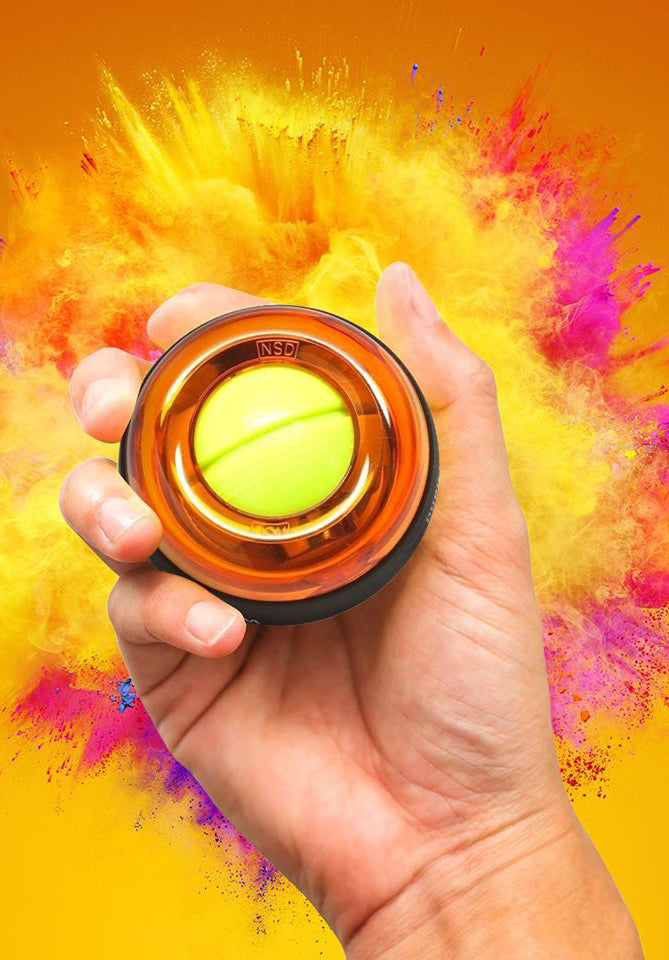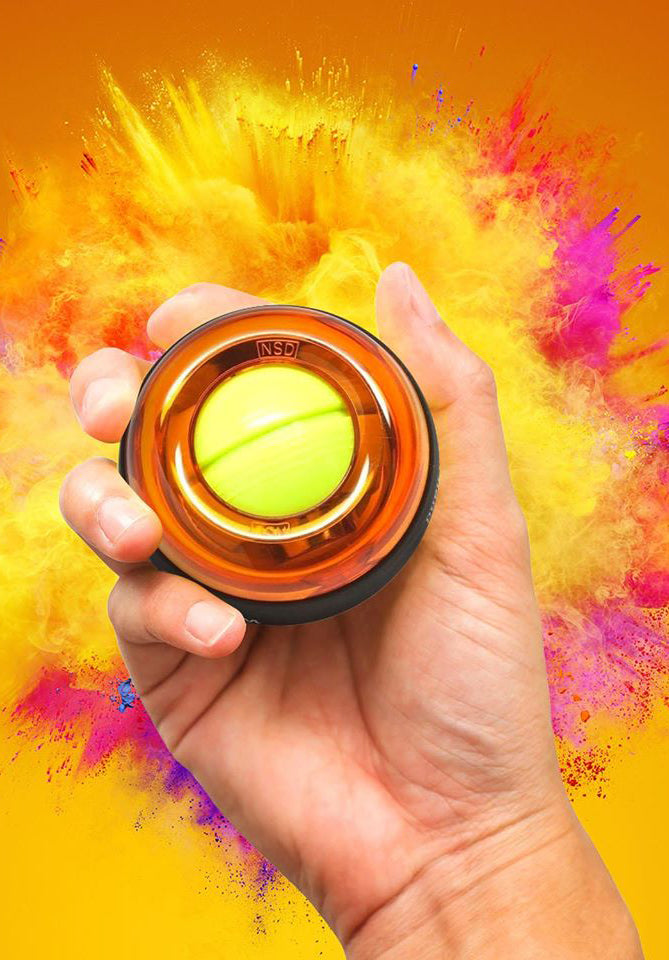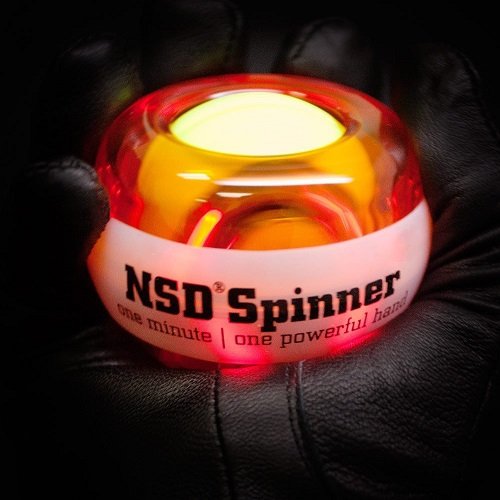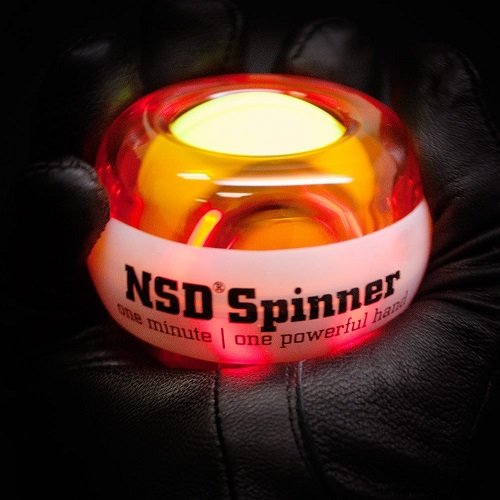
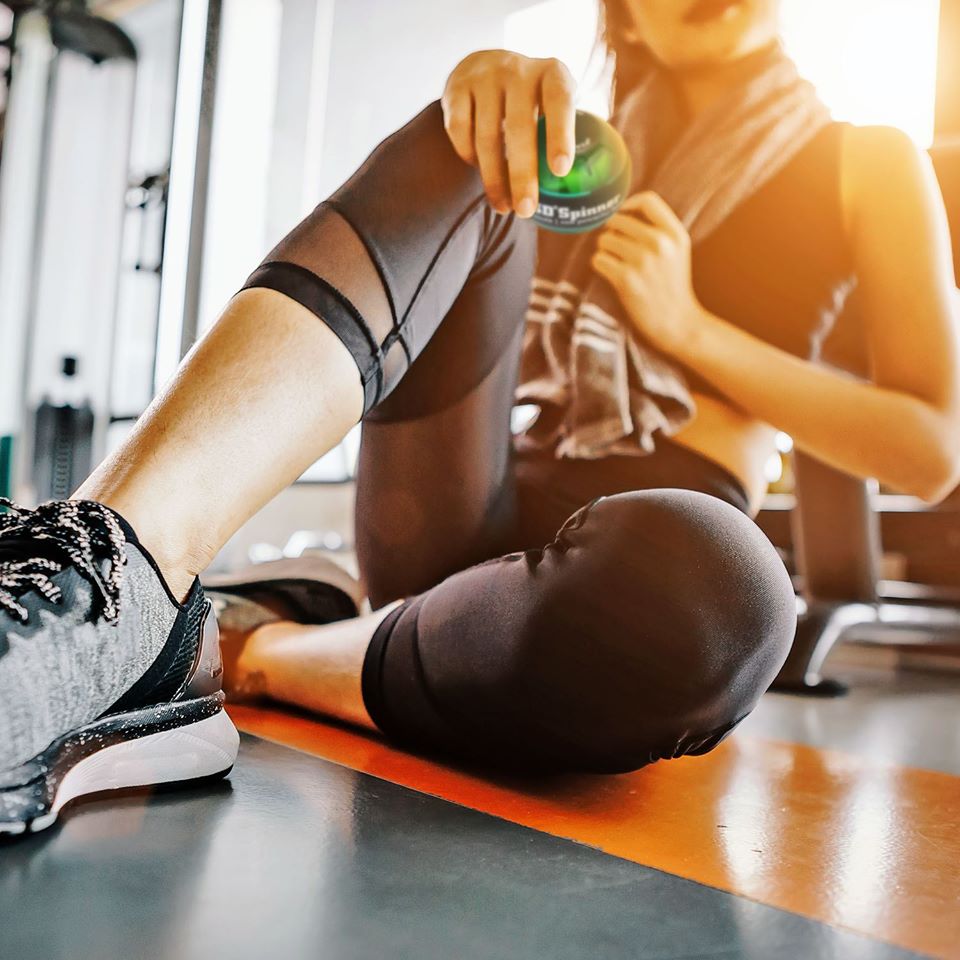
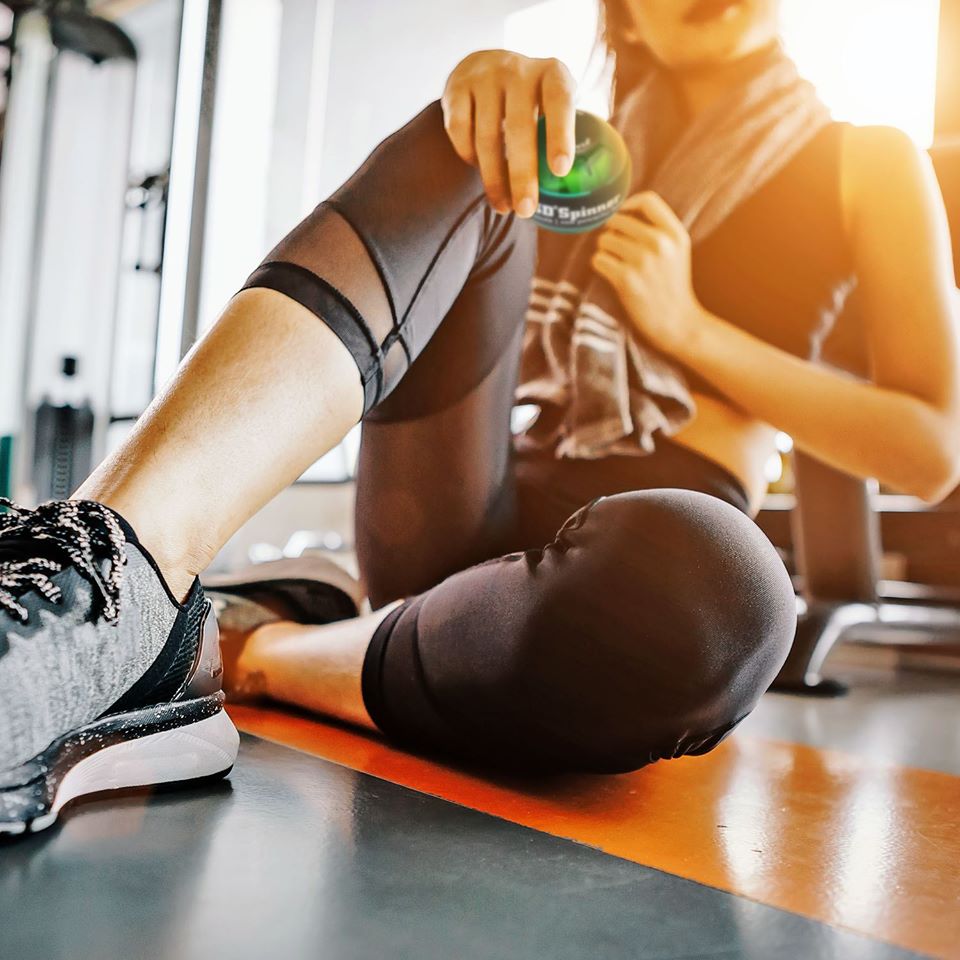
NSD Spinners are scientifically developed to help your arms get the right support they need. Get the right compliment to your arm exercises now.

General education only, not medical advice. Sources are listed at the end.
Most wrist pain on the bike comes from too much body weight sitting on bent wrists, and the first fix is almost always the bike, not the wrist. If your hands start aching around hour two, the wrists are usually just the place where the problem shows up.
Here is the order we would work through it: work out what kind of pain you have, fix the saddle and bar position, cut down vibration, and only then think about building stronger hands. We also say plainly where a spinner fits and where it does not. If your fingers are going numb rather than your wrists hurting, read our guide to cyclist's palsy instead.
Wrists hurt on the bike when weight, awkward angles and vibration all land on the same small joint for hours. Your arms are meant to steer. On a bike that is set up wrong they end up holding up half your torso.
These are the causes the cycling and hand-surgery sources keep coming back to, with what to try first:
| Cause | What is going on | Try first |
|---|---|---|
| Weight on the hands | Saddle too far forward, reach too long or short, or sliding forward on the saddle pushes your torso onto the bars | Check saddle position, then bar height and reach |
| Wrist bent back or sideways | Wrist extension under load, or bending toward the thumb or little finger, squeezes tissue in the hand | Keep the index knuckle in line with the forearm; adjust hoods and bar angle |
| Bars the wrong width | Too narrow or too wide forces an unnatural hand position and braces the shoulders and neck | Match bar width to shoulders and riding style |
| Road and trail vibration | Hours of buzz keep hand and forearm muscles tight, worst on gravel and MTB | Lower tire pressure, wider tires, padded gloves, bar tape or grips |
| Sudden jump in riding | Going from a light week to a huge one leaves the core tired and the hands carrying the load | Build mileage gradually |
| Neck or shoulder tightness | Tight shoulder muscles can restrict nerves running to the hand | Mobility work; see a physio if it persists |
| An old wrist injury | A scaphoid or wrist fracture that never healed well can leave pain at the base of the thumb | Get it imaged and assessed |

A few of these trip up a lot of riders.
Saddle too far forward. It tips your weight onto the bars. A fitter quoted by BikeRadar says to fix the saddle before touching anything else. Riders skip this because the pain is in the hands, so the hands seem like the place to look.
Bars the wrong width. One fitter's example is a 100 kg rider on a narrow 38 cm bar with a short, shallow drop. That rider braces through the shoulders and neck all day, and the wrists take the overflow.
A position you cannot hold. Another fitter makes a blunt point: if you cannot hold an aero position, it is not more aerodynamic. A slammed stem that looks fast in photos is no use if your wrists are done at the 40 km mark.
Pain, tingling and numbness are different problems, and they get different fixes. Pain in the wrist joint itself is usually load and angle. Tingling or numbness in the fingers points to a nerve being squeezed.
| What you feel | Where | Likely story | Start here |
|---|---|---|---|
| Ache or sharp pain | In the wrist joint, on the top or side | Load and angle: too much weight, wrist bent back or sideways | The bike-fit steps below |
| Tingling, numbness | Ring and little fingers, heel of the palm | Ulnar nerve pressed at the wrist (cyclist's palsy) | Take weight off the hands, change grips; see the palsy guide |
| Tingling, numbness | Thumb through ring finger | Median nerve pressed (carpal tunnel type symptoms) | Same fit fixes; see a clinician if it persists |
Leaning on the heel of the hand can irritate both nerves at once, which is why you can get pain and numbness on the same ride. If numbness is your bigger complaint, the cyclist's palsy guide covers it in full.
Change one thing at a time, in this order, and ride a few times before you change the next. This is the sequence BikeRadar's fitters give. It stops you fixing three things at once and never learning which one worked.
Here is a check you can do without a fitter. On the hoods or the drops, your index knuckle should sit roughly in line with your forearm. If the wrist is cocked sideways or bent back, something upstream is wrong.
If you can afford it, book a proper bike fit. HSS, BikeRadar and MyVeloFit all land in the same place on this. A fitter will spot in ten minutes what takes most of us a season to work out.
Change your hand position often, and let your core carry your torso. Moving between the tops, hoods and drops changes which tissues are loaded. If you notice you are sinking into your palms, sit up and hold yourself with your trunk for a while. Tired core muscles push the load straight onto the hands, which is why long rides and big jumps in weekly hours both bring on wrist trouble.
| Gear | What it does | Watch out for |
|---|---|---|
| Padded gloves | Gel or foam cushions the palm and cuts buzz | More padding is not always better; it depends on your hand size |
| Bar tape or grips | Adds cushion and can change the bar diameter under your hand | Too thick and you lose your grip feel |
| Lower tire pressure | Soaks up road buzz before it reaches the bars | Keep it high enough to avoid pinch flats |
| Wrist guards | Not recommended | HSS says they can hinder braking and steering |
| Carbon bar | Can feel more forgiving than aluminum | A stiff carbon bar on a stiff carbon frame can still hurt; a last-step option |
One thing to skip is wrist guards. HSS warns they can get in the way of braking and steering and may raise your risk of a fall.
Off-road riders get vibration on top of everything else, so tire pressure and fork setup matter as much as the bars. Hours of buzz keep the muscles of the hand and forearm tight, and tight muscles tire sooner.

Stop and go home if wrist pain or numbness starts mid-ride, and book an appointment if it is still there the next day. That is the advice from a hand and wrist surgeon at HSS. Tendinitis, cysts, arthritis and carpal tunnel are all on the list of possible causes, and the earlier you get a diagnosis the better.
| Situation | What to do |
|---|---|
| Pain or numbness starts mid-ride | Stop and head home |
| Still there the next day | Book an appointment, ideally with a hand and wrist specialist |
| Pain at the base of the thumb or fingers after a crash | Get it assessed and imaged; an undiagnosed fracture can cause problems later |
| Numbness keeps coming back | Do not ignore it; repeated nerve damage can harm hand muscles, and recovery can take months |
Possibly, but they come after the bike fit, not instead of it. Wrist pain on a bike is mostly a setup problem, and no amount of grip training fixes a saddle that sits too far forward.
What stronger forearms can do is give the hand and wrist more in reserve. A rider whose forearms tire late holds a neutral wrist for longer, and the late part of the ride is where most of the damage happens. That is our reasoning, not a research result. The evidence on exercise is thinner: the sources we read mention core strengthening and neck and shoulder mobility work, and one physio quoted by BikeRadar uses gyroscopic and hand-weight wrist strengthening for riders with a past ligament injury.
One of our customers put it this way on our site:
"I am a road biker and was struggling with wrist pain until I bought this — significant improvement! Also a great item to keep at your desk at work."
A road biker, customer review on nsdspinner.com
One rider's experience, not a typical result. Wrist pain on the bike has many causes, and the review does not say which model he used.
If you want to add a minute of hand and forearm work to your week, this is the one we would point a rider to:

| Day | What to do | Time |
|---|---|---|
| Ride days | Change hand position every few minutes; sit up and shake out the hands | Throughout |
| 2 to 3 days a week | Spinner session off the bike: start it, hold a neutral wrist, work up the LED colors | About 1 minute |
| Once a week | Core work and neck and shoulder mobility | 10 to 15 minutes |
| Every few months | Re-check saddle, bar and hood position, or book a fit | 1 hour |
Related reading: Cyclist's Palsy (Handlebar Palsy), How to Strengthen Weak Wrists and Grip Strength Training: Science, Exercises & Dosage.
Fix the fit first, then build hands that last. Once the bike is sorted, the NSD Thumb-Wind Start Spinner is a quick way to train your grip and forearms off the bike. Wind it. Spin it. Do it.
👉 Shop the NSD Thumb-Wind Start Spinner PB-688AML Purple
This article is general education and not medical advice. See a qualified clinician for diagnosis and treatment.