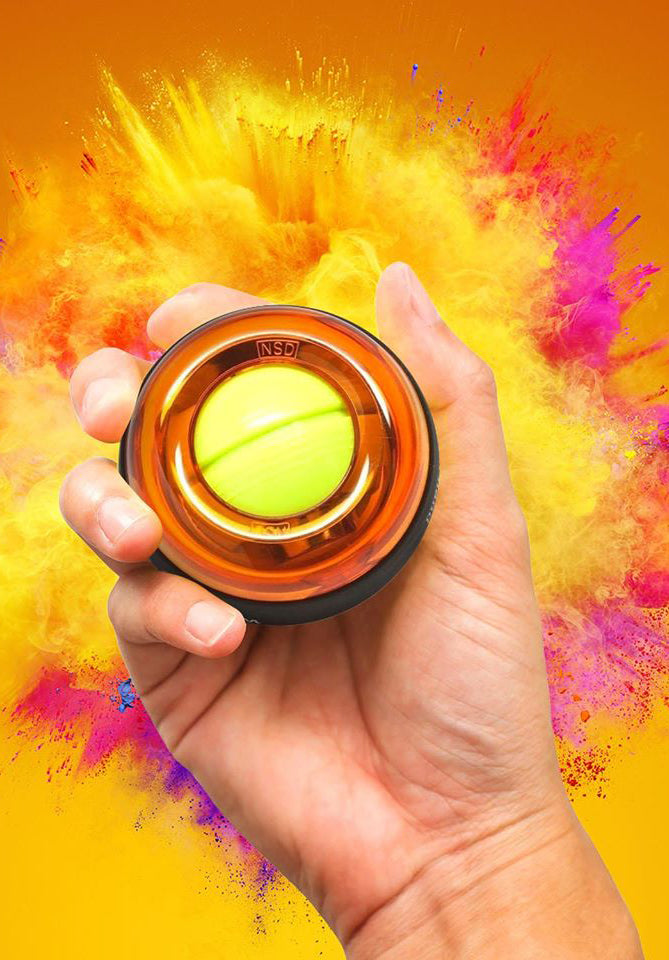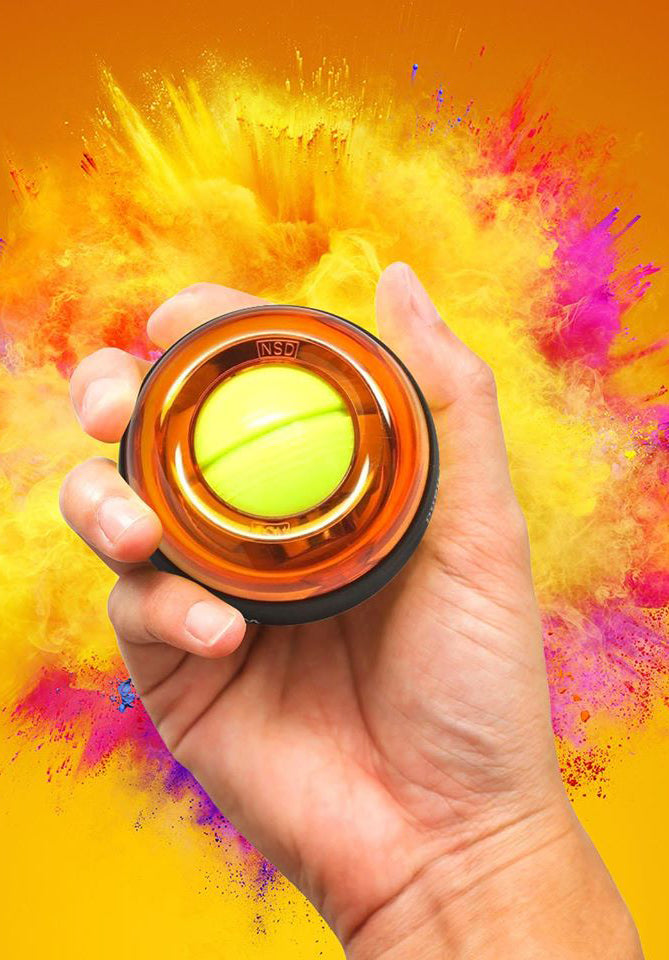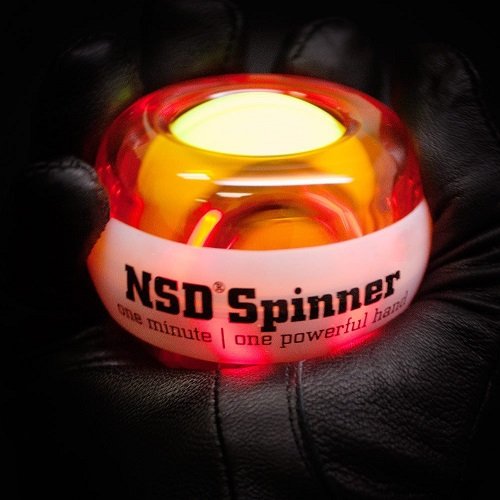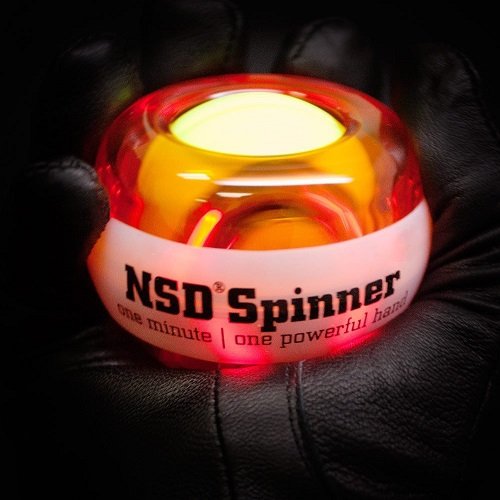
NSD Spinners are scientifically developed to help your arms get the right support they need. Get the right compliment to your arm exercises now.
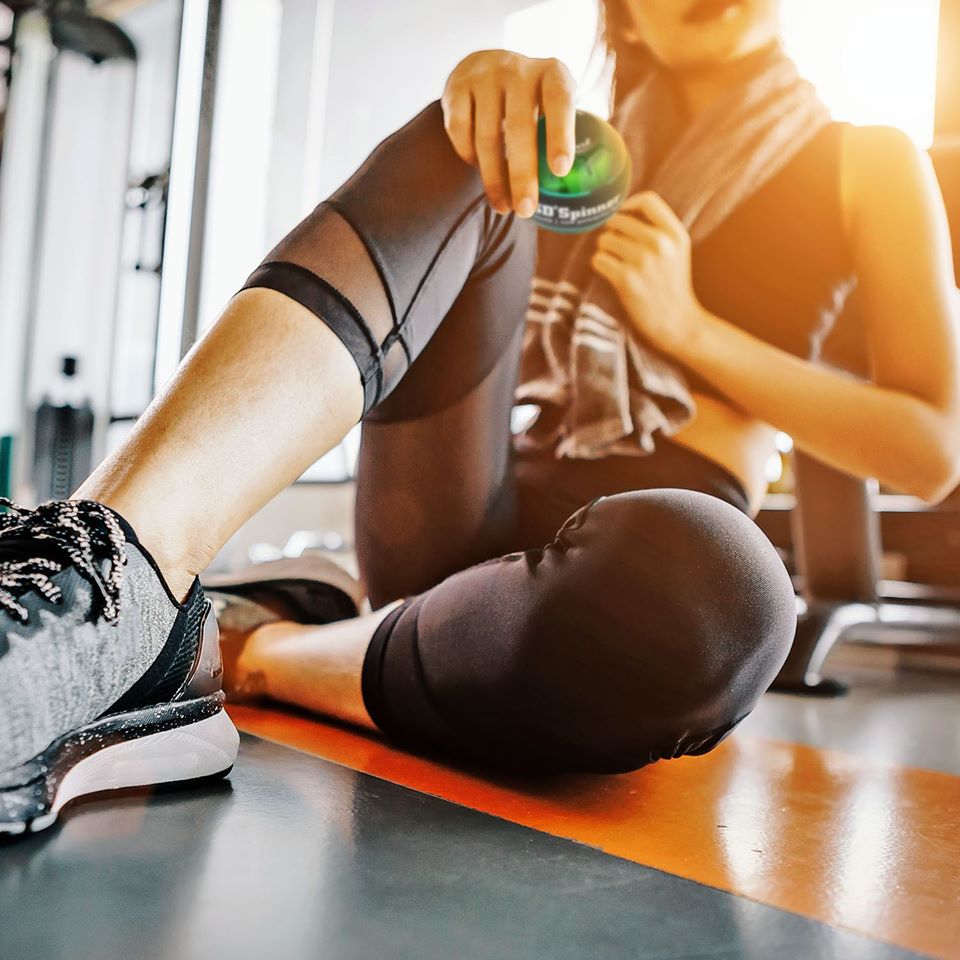
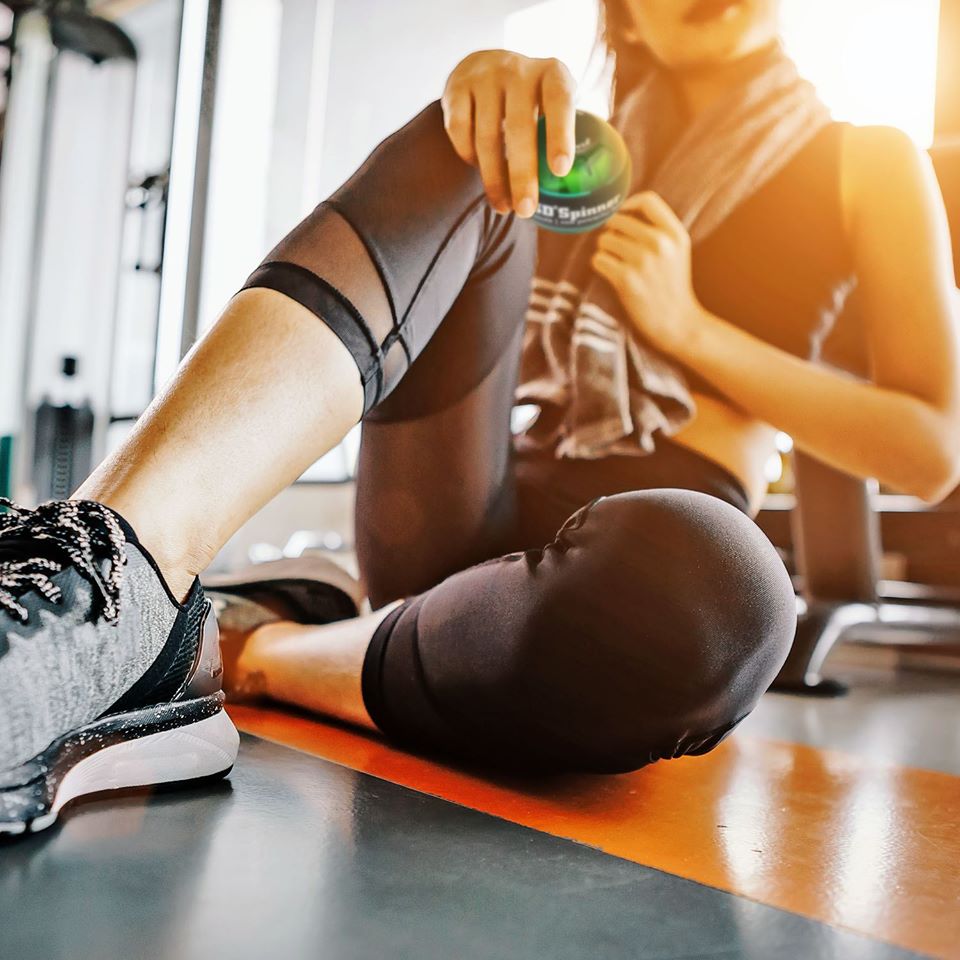
The best hand exercises for musicians do one thing above all: they strengthen your grip and balance the flexor and extensor tendons in your forearm — the two muscle groups behind every finger movement you make on your instrument. Just 1–2 minutes a day of gyroscopic (NSD Spinner) training, paired with simple stretches, can relieve strain, build endurance, and help you play longer without injury.
Your hands are your career. Yet most practice routines train technique and never train the hands themselves. This guide shows you which muscles matter, why grip strength protects your playing longevity, and a short daily routine you can do anywhere.
Recover. Reinforce. Retain. That’s the whole job.
Playing an instrument is a repetitive, fine-motor task performed for hours — and repetition without capacity is how strain injuries start. Playing-related pain is one of the most commonly reported problems among instrumentalists: a systematic review of professional musicians found that between 41% and 93% reported a musculoskeletal complaint over a 12-month period (Kok et al., systematic review, 2016).
The problem usually isn’t talent or technique. It’s capacity: the small muscles that flex and extend your fingers fatigue, lose control, and start to ache long before your musicality does.
Building grip and forearm strength gives you three things:
Grip strength is also one of the most-studied markers of overall physical resilience. In the large international PURE study, every 5 kg drop in grip strength was linked to a 16% higher risk of death from any cause — a stronger predictor of mortality than systolic blood pressure (Leong et al., The Lancet, 2015). For a musician, it’s not about crushing power — it’s about staying in the game for decades.
Every finger is pulled by two opposing tendon groups running through your forearm. Most musicians overwork one and neglect the other — and that imbalance is where pain lives.
| Muscle group | What it does | The musician’s problem |
|---|---|---|
| Flexors (palm side) | Curl and press the fingers — gripping, pressing strings/keys | Overused and tight from constant pressing |
| Extensors (back of forearm) | Lift and straighten the fingers | Weak and under-trained, so the flexors “win” |
When flexors dominate and extensors lag, the tendons pull unevenly across the wrist — the same imbalance behind conditions like tennis and pickleball elbow. Violinist Chloe Trevor put it simply in a video about her own hand training: the goal is to strengthen and balance both, not just squeeze harder.

A gyroscopic hand trainer is well suited to this because the spinning rotor resists your hand through the full range of motion in every direction — so flexors and extensors are trained together, not in isolation.
Yes — and longevity is the real prize. Strength you build in your hands doesn’t just prevent this week’s soreness; it protects the decades of playing ahead of you.
This is exactly the angle professional violinist Chloe Trevor shared with her audience. In a (self-described, non-sponsored) post, she explained that grip strength is one of the factors linked to healthy aging, and that a gyroscopic trainer helped her strengthen and balance the tendons she relies on to play. Her own words on durability say a lot: “My first Powerball lasted 12 years.”
Her caution matters just as much: it’s possible to overdo it. The point isn’t heroic sessions — it’s consistency. One to two focused minutes a day beats long, occasional grinds, and keeps you injury-free.
For musicians, that reframes hand training from “extra work” to career insurance: a tiny daily habit that keeps your best performance available to you, year after year. That’s the Retain in Recover → Reinforce → Retain.
Strength is only half the picture — for clean, independent finger control, pair it with dedicated finger independence exercises.
A gyroscopic spinner (NSD Spinner) is the simplest tool for this because it’s dynamic, portable, and trains grip through every angle. Keep it short and controlled.
Do too much, too soon and you can strain the very tendons you’re protecting. Build up slowly. If you feel sharp pain (not normal muscle fatigue), stop and rest. When in doubt, check with a hand physio or your doctor.
The imbalance is universal; the emphasis shifts by instrument.
Whatever you play, the rule is the same: balance both tendon groups, keep it short, stay consistent.
Q: How often should musicians do hand exercises?
A: Once a day is plenty. One to two focused minutes, done consistently, builds strength without overloading the tendons. More is not better here.
Q: Will grip training make my hands stiff or hurt my dexterity?
A: No — done correctly it does the opposite. Balanced flexor/extensor strength improves control and reduces the fatigue that causes sloppy playing. Always finish with a stretch and keep sessions short.
Q: Is a gyroscopic (NSD Spinner) trainer better than a grip squeezer for musicians?
A: For musicians, usually yes. A squeezer mostly trains flexors in one plane; a gyroscopic trainer works the hand dynamically through the full range and in both directions, so extensors get trained too — that balance is what protects you.
Q: I already have wrist or hand pain — should I start this?
A: If you’re in pain, see a hand physio or doctor first. These exercises are for building strength and preventing strain, not for treating an active injury. Start only once you’re cleared, and begin gently.
Q: How long until I notice a difference?
A: Many people feel more endurance and less end-of-session fatigue within a few weeks of daily use — but consistency matters more than intensity.
Your hands have to last a lifetime of playing. Train them like it. A balanced, 1–2 minute daily habit strengthens grip, evens out the flexor/extensor tug-of-war, and helps you Recover from strain, Reinforce your control, and Retain your best performance for years.
Wind it. Spin it. Play on.
👉 PB688E SpeedX for younger or smaller-handed players · PB788E SpeedX for adult hands. Both self-start and show your live RPM, so you always know you are training at the intensity that actually works.