
Your Cart is Empty


Pickleball elbow isn’t bad luck — it’s an overloaded forearm. The pain on the outside of your elbow shows up when the demand on your forearm tendons is bigger than what they can handle. That means it’s largely preventable: build the capacity, balance the muscles, and warm up right, and you keep playing instead of sitting out for weeks. Already feeling it? Here is how to fix pickleball elbow. Here’s exactly how to prevent pickleball elbow — and stop it coming back.
Pickleball elbow is the same injury as tennis elbow (lateral epicondylitis): the tendons that attach your forearm extensors to the outside of the elbow get overloaded and irritated. Backhands and hard wrist flicks are the usual triggers, because they load the wrist and forearm the most.
The root cause is simple math: load is greater than capacity. Every over-the-counter fix (softer paddle, thicker grip, less wrist) tries to lower the load. That helps — but it never raises your capacity, which is why the pain keeps coming back. (Already dealing with it? Read our full guide: Pickleball Elbow: Causes, Fixes, and the Exercises That Actually Last.)
Yes — and it’s far easier than rehabbing it after the fact. Prevention comes down to three things: build forearm capacity, balance flexors and extensors, and warm up before you play.
Most players only ever reduce load. The players who don’t keep re-injuring are the ones who also raise capacity — they train the forearm so the same backhand no longer overloads it. That’s the whole game.
Here’s the prevention stack, from most to least important.
| Priority | What to do | Why it works |
|---|---|---|
| 1 | Build forearm strength 3–4×/week | Raises capacity so normal play stops overloading the tendon |
| 2 | Train rotation, not just curls | Balances flexors & extensors — the imbalance behind the injury |
| 3 | Warm up wrists before playing | Primes tendons for load, lowers first-game risk |
| 4 | Manage total load | Don’t spike playing time; progress gradually |
Your weekly prevention routine:
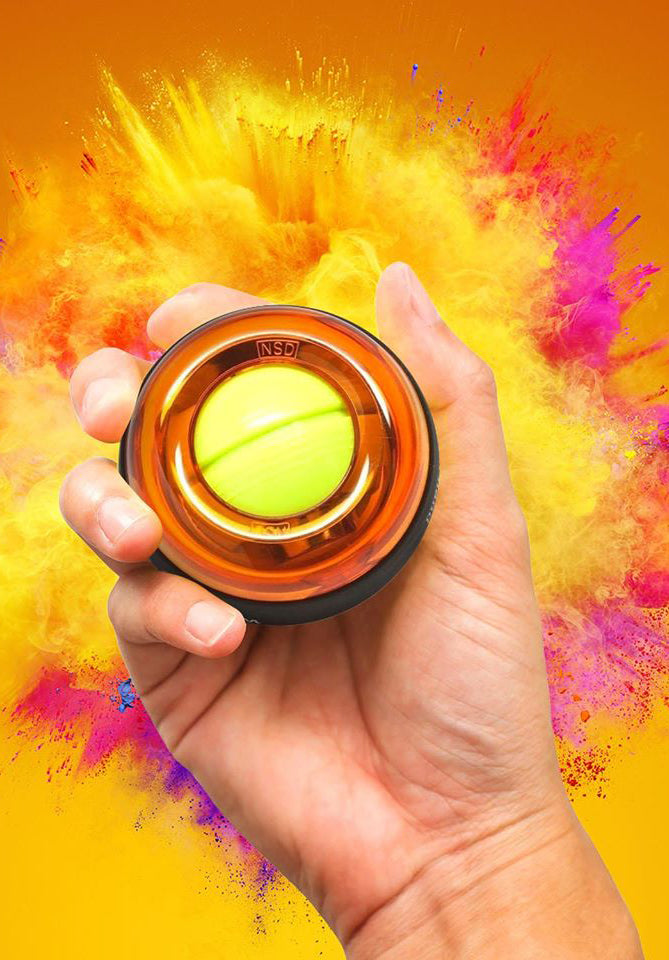
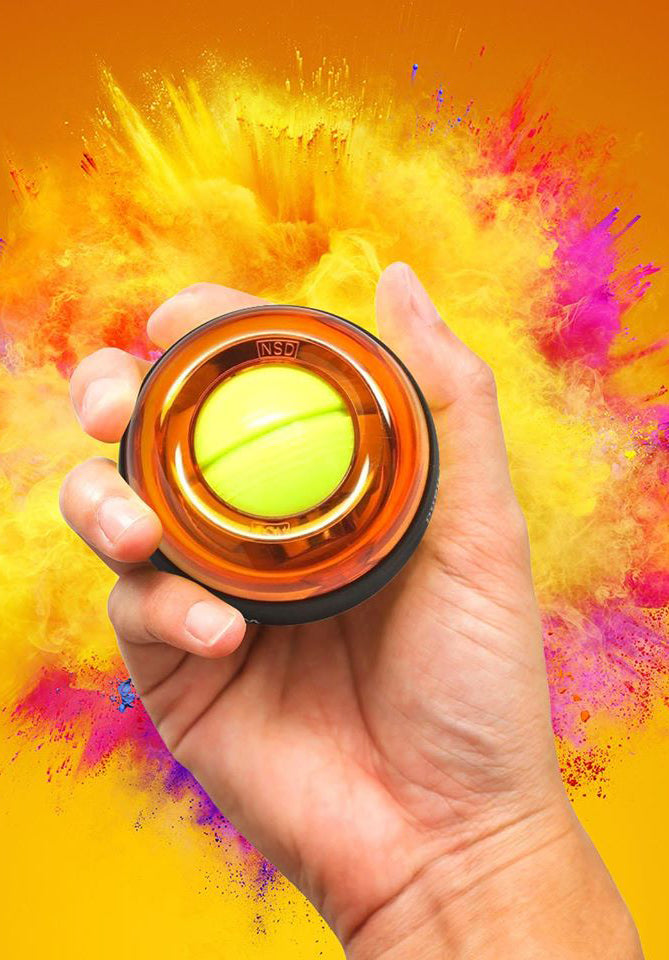
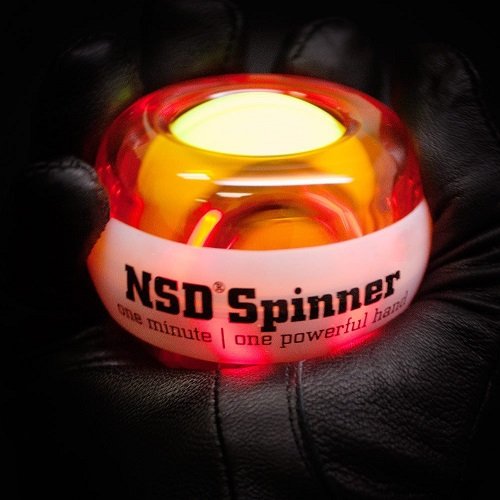
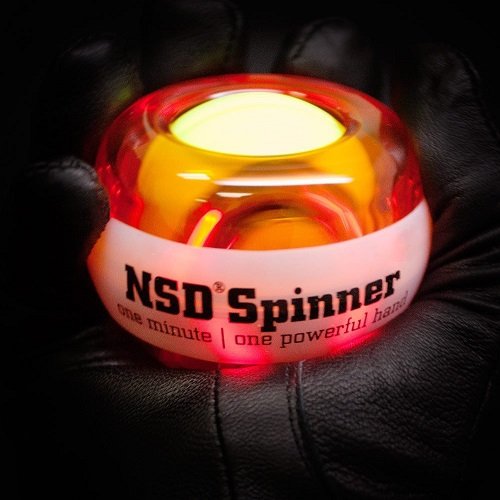
A gyroscopic trainer like the NSD Performance Spinner is built for exactly this. Its high-resistance model pushes your wrist through full-range rotation under continuous load — training the flexors and extensors together, which is precisely the balance that prevents pickleball elbow.
It’s also low-impact on the joint, because resistance comes from spinning speed, not heavy weight. In a peer-reviewed study, 8 weeks of gyroscopic-device training improved pain, grip strength, and function in people with tennis elbow (research summary) — the same forearm capacity that keeps you off the sidelines.
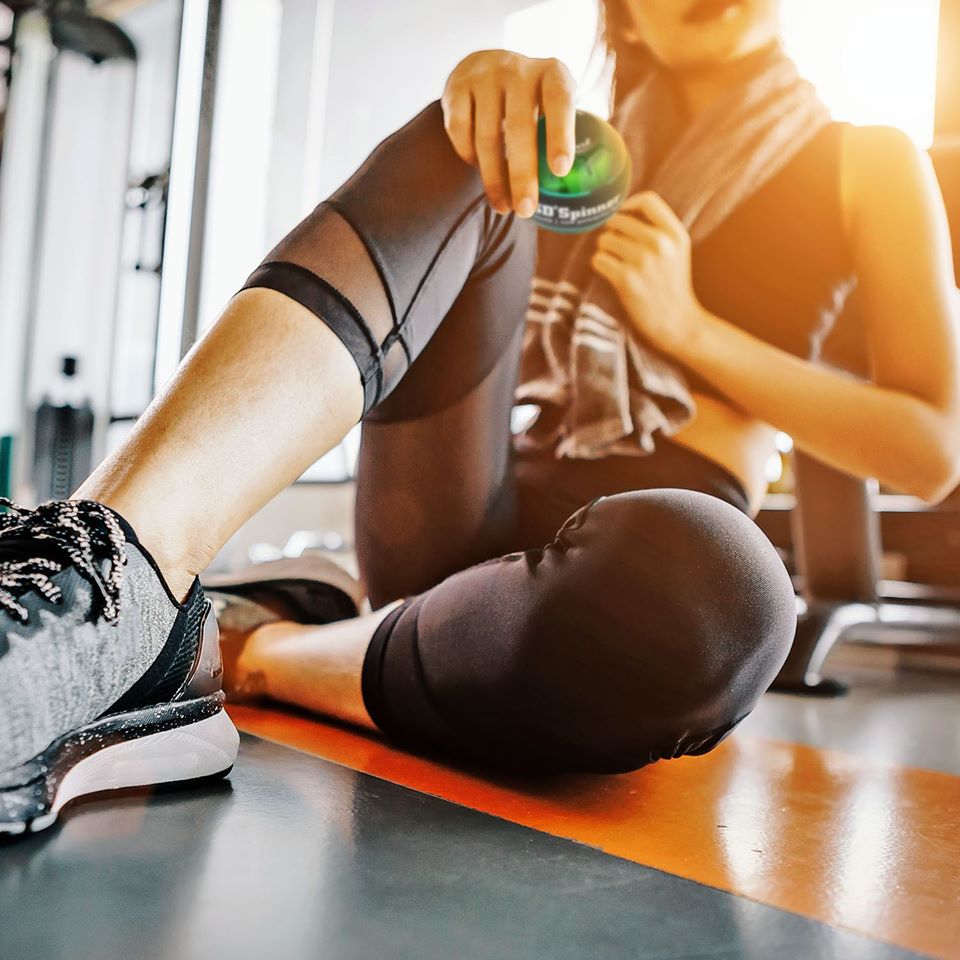
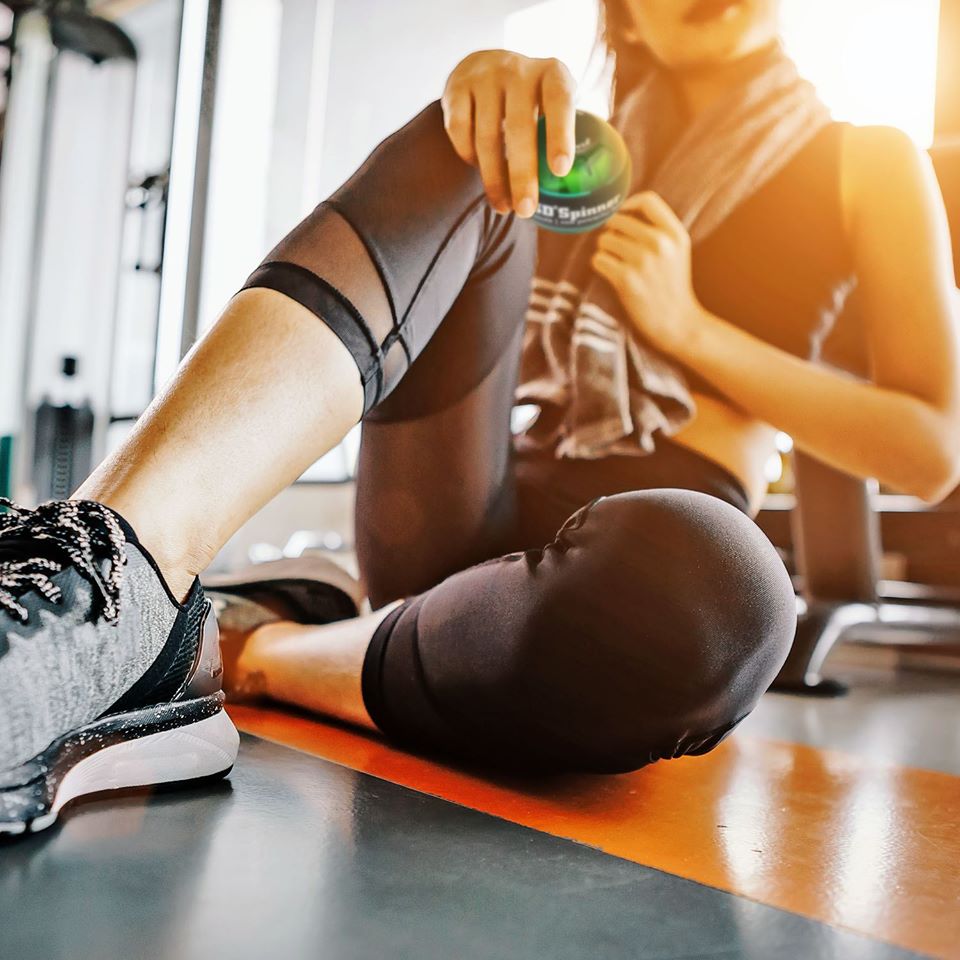
And it fits your bag. Sixty seconds before a match warms you up; a few minutes on off-days builds capacity. Recover → Reinforce → Retain.
👉 Keep your grip on the paddle — train with the NSD Performance Spinner and prevent pickleball elbow before it starts.
You’re building a buffer. The bigger your forearm’s capacity, the more pickleball your elbow can absorb without complaint.
Q: Can pickleball elbow be prevented completely?
A: You can’t guarantee it, but building forearm capacity and warming up dramatically lowers your risk — most cases come from an under-prepared forearm meeting a sudden spike in play.
Q: Should I train through it if my elbow already hurts?
A: No. Prevention and rehab are different. If it already hurts, back off and follow a rehab progression first (see our full pickleball elbow guide), then build capacity once pain settles.
Q: Which NSD Spinner is best for pickleball players?
A: The NSD Performance Spinner — its higher resistance suits active players building real forearm capacity for prevention and performance.
Q: How soon before a match should I warm up my forearms?
A: Right before you play — 60–90 seconds of easy wrist rotations primes the tendons and lowers first-game risk.
Pickleball elbow keeps players off the court for weeks. You don’t have to be one of them. Lower the load and raise your capacity — that’s how you keep playing.
👉 Prevent it before it starts: train with the NSD Performance Spinner.