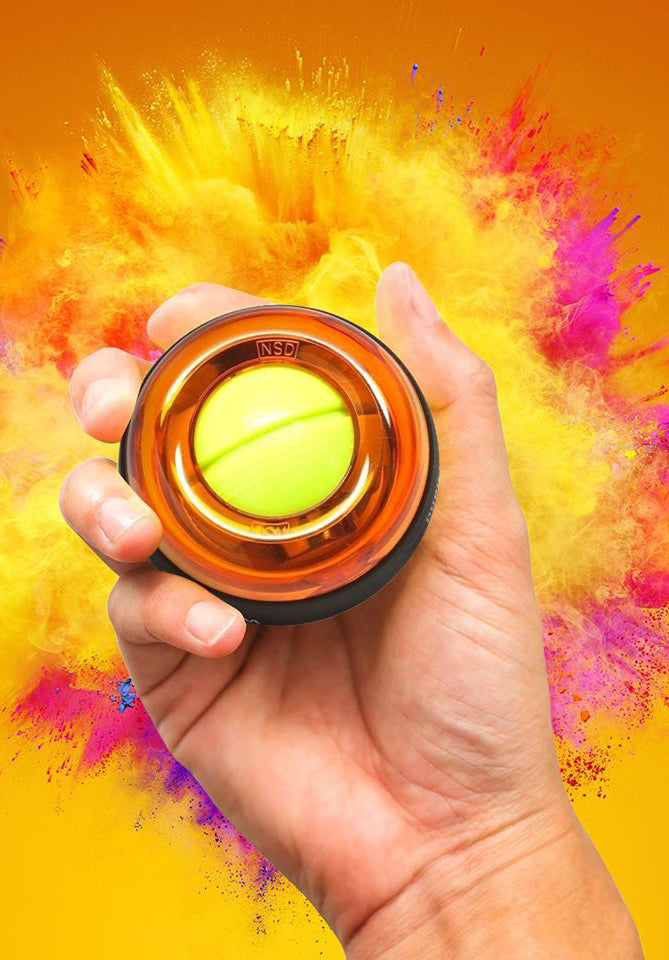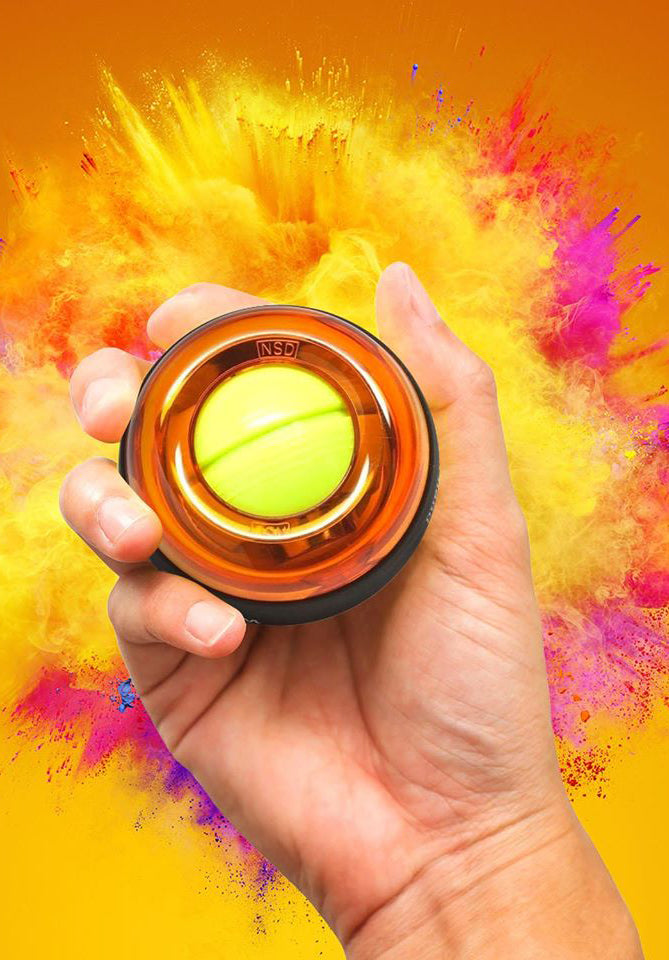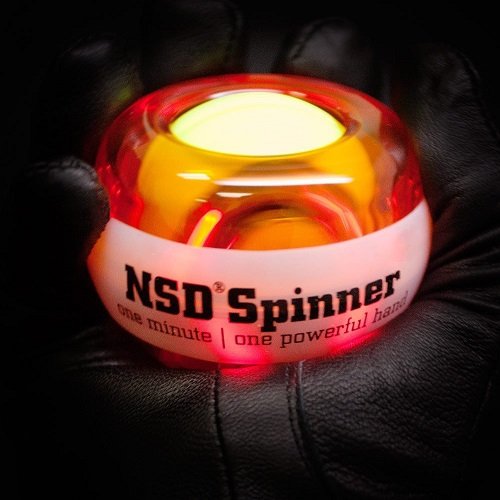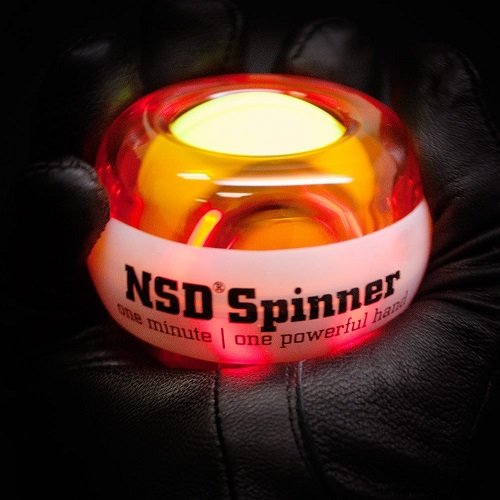
NSD Spinners are scientifically developed to help your arms get the right support they need. Get the right compliment to your arm exercises now.



Golfer's elbow is pain on the inner side of the elbow, where the forearm muscles that bend your wrist and grip attach to the bone. Despite the name, you don't have to play golf to get it — any repeated gripping, wrist bending or lifting can bring it on. The good news is that most cases settle with load management and a steady, progressive exercise plan. This guide covers what golfer's elbow is, the exercises that help, and when to see a professional.
This article is general information, not medical advice. If pain is severe, not improving, or comes with numbness or weakness, see a clinician.
Golfer's elbow (medial epicondylitis) is an overuse injury of the tendons that attach your wrist-flexor and forearm muscles to the bony bump on the inner side of the elbow. Repeated load irritates that attachment point, causing pain and tenderness there. It is the inner-elbow cousin of tennis elbow, which affects the outer side.
It usually builds up from repeated gripping, wrist flexion and forearm rotation rather than a single injury. Common triggers include golf and racket sports, throwing, weight training, and manual or repetitive work with tools. A sudden spike in activity, poor technique, or gripping too hard all add to the load on the tendon.
They are the same type of problem on opposite sides of the elbow. Golfer's elbow affects the inner side and hurts when you flex the wrist or grip. Tennis elbow affects the outer side and hurts when you straighten the wrist or lift the back of the hand. If your pain is on the outside, our guide to tennis and pickleball elbow covers that pattern.
For most people, gentle mobility first, then progressive strengthening of the wrist flexors and forearm, is the backbone of recovery. Progress slowly and keep everything to a tolerable, low level of discomfort — never sharp pain. If a movement clearly flares your symptoms, ease off.
| Exercise | What it targets | How to do it | How often |
|---|---|---|---|
| Wrist flexor stretch | Eases the inner forearm | Arm straight, palm up, gently pull the fingers down and back with the other hand. | Hold 15–30 sec, 2–3× |
| Isometric wrist flexion | Early, low-irritation loading | Palm up, gently press the hand against the other hand without moving. Hold a steady, pain-free effort. | 5 holds of 20–30 sec |
| Eccentric wrist curl | Builds tendon tolerance | With a light weight, palm up, curl the wrist up with help, then lower slowly over 3–4 seconds. | 2–3 sets of 10–15 |
| Forearm rotation | Pronation/supination control | Elbow bent at your side, slowly turn the palm up and down holding a light weight or the end of a hammer. | 2 sets of 10–15 |
A common progression is to start with the stretch and isometric holds while things are irritable, then add the eccentric and rotation work as pain settles. A physiotherapist can tailor the load to you.
The goal is relative rest, not total rest. Keep moving, but cut back the activities that clearly provoke it, and reduce how hard you grip. Completely stopping often stiffens the arm, while pushing through sharp pain keeps the tendon irritated. Many people also find a counterforce brace or forearm strap helpful during aggravating activities.
Yes — progressive strengthening of the wrist flexors and forearm is one of the most supported approaches for this kind of tendon problem, because it gradually builds the tendon's ability to handle load. The key word is progressive: start light, add a little at a time, and stay within a tolerable level of discomfort. If you are early and very sore, begin with isometrics and mobility before loading harder. For the fundamentals of building that capacity, see our guide to grip strength training and strengthening weak wrists.
Once your symptoms are settling and you are ready to build capacity, a gyroscopic trainer is a convenient way to load the wrist and forearm through a smooth range. The NSD Performance Spinner offers higher resistance than the entry models, which suits active people and athletes rebuilding forearm strength. Because the resistance comes from rotation and scales with your speed, you can start very light and build up gradually.
To be clear: a spinner is not a treatment for an acute injury, and no product replaces a proper rehab progression. Use it as part of progressive conditioning once your symptoms allow, keep the speed low to start, and stop if it causes sharp pain. If you are in a flare-up, get the pain settled first.
Many cases improve over several weeks to a few months with load management and consistent exercise, though stubborn cases can take longer. Tendons respond to steady, progressive loading rather than quick fixes, so patience and consistency matter. If there is little progress after a few months, or you have numbness, weakness or night pain, see a clinician for assessment.
There is no instant fix, but the fastest reliable route is to reduce the aggravating load, grip more lightly, and start a gentle, progressive strengthening plan. Many people pair this with a counterforce brace during activity. See a clinician if it is not improving.
Usually you can keep going at a reduced level rather than stopping completely. Cut back the activities and grip force that provoke it, and avoid pushing through sharp pain. If pain is severe or worsening, rest it and get it assessed.
They are the same type of tendon problem on opposite sides of the elbow. Golfer's elbow is on the inner side and hurts with wrist flexion and gripping; tennis elbow is on the outer side and hurts with wrist extension.
Yes. Progressive wrist-flexor and forearm strengthening is one of the most supported approaches, because it builds the tendon's capacity to handle load. Start light, progress gradually, and keep it within a tolerable level of discomfort.
See a clinician if the pain is severe, does not improve after a few months of self-care, or comes with numbness, tingling, weakness or night pain. They can confirm the diagnosis and tailor your rehab.
Golfer's elbow usually responds to patience: manage the load, grip lightly, and strengthen the forearm a little more each week. Once your symptoms allow, controlled conditioning keeps the gains going. The NSD Performance Spinner is a simple way to add progressive wrist and forearm work to your week.