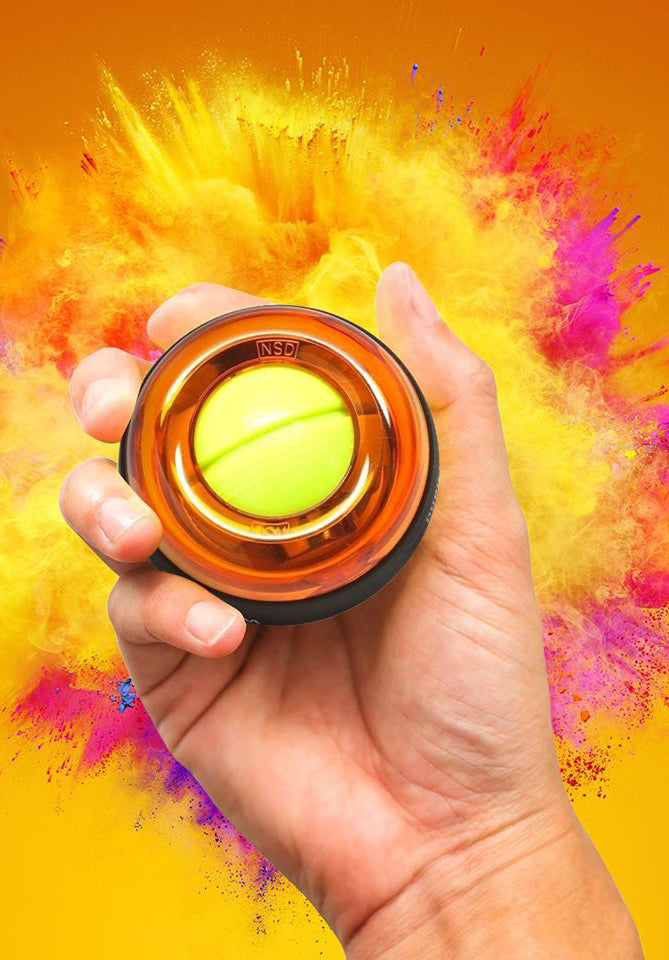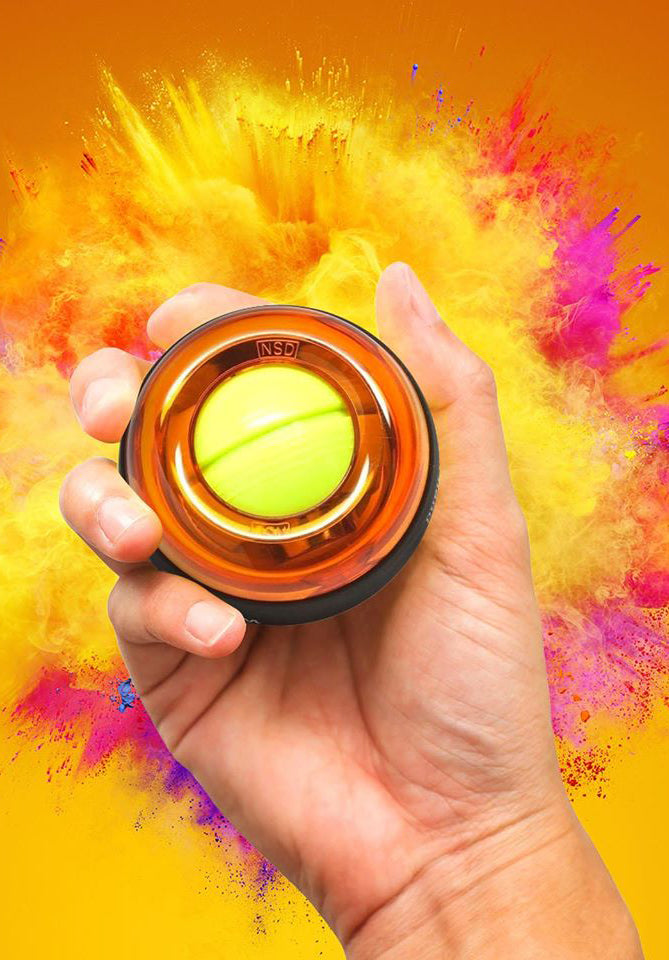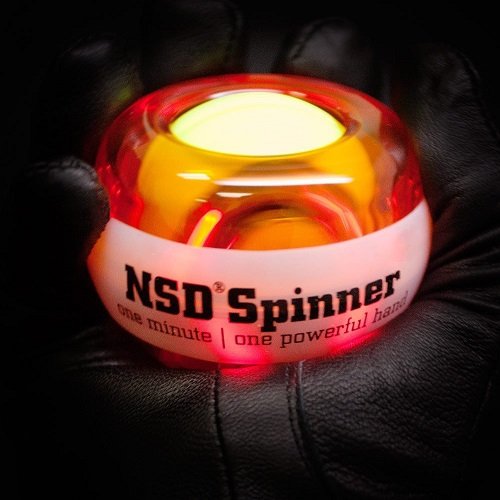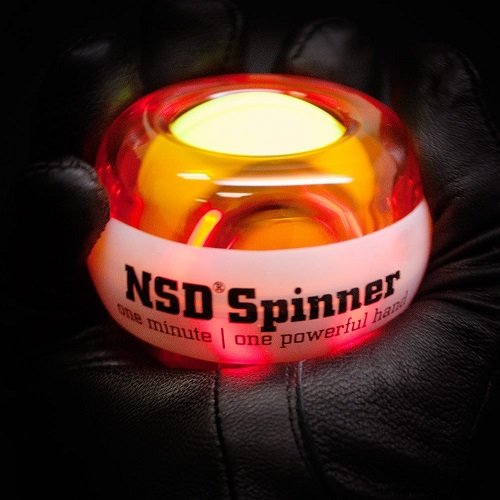
NSD Spinners are scientifically developed to help your arms get the right support they need. Get the right compliment to your arm exercises now.



De Quervain's tenosynovitis is pain on the thumb side of the wrist, where two tendons that move your thumb run through a tight tunnel near the base of the hand. It is so common in new parents — from the repeated lifting and scooping of a baby — that it is often nicknamed "mommy's thumb," but texting, gaming, racket sports and any repetitive thumb-and-wrist work can trigger it too. The good news is that most cases settle with rest, a few changes to how you use the hand, and a gentle, progressive exercise plan. This guide covers what de Quervain's is, the exercises that help, how to prevent it, and when to see a professional.
This article is general information, not medical advice. If pain is severe, not improving, or comes with numbness or weakness, see a clinician.
De Quervain's tenosynovitis is irritation of the two thumb tendons — the abductor pollicis longus and extensor pollicis brevis — as they pass through a narrow sheath on the thumb side of the wrist. Repeated thumb and wrist movement thickens and inflames that sheath, so the tendons no longer glide smoothly. The result is pain and tenderness at the base of the thumb, sometimes with swelling or a catching feeling when you move it.
It usually builds up from repetition rather than a single injury. The classic trigger is the lifting and holding that comes with a new baby, which is why it is so common in the months after childbirth. But the same pattern shows up with lots of texting and phone use, prolonged gaming, repetitive work with tools, racket and paddle sports, and jobs that involve constant gripping or wringing. Hormonal changes around pregnancy and some forms of arthritis can make the tissues more prone to it as well.
The hallmark is pain on the thumb side of the wrist that flares when you grip, pinch, lift or turn the wrist — opening a jar, lifting a child, or wringing out a cloth are common culprits. A simple self-check many clinicians use is to tuck your thumb into your palm, make a loose fist over it, and gently bend the wrist toward the little-finger side. Sharp pain along the thumb side suggests de Quervain's. This is a clue, not a diagnosis, so if it is painful or unclear, get it checked.
While things are very sore, the priority is calming the tendons down with rest and gentle movement rather than loading them hard. As symptoms settle, you progress to mobility and then light strengthening. Keep everything to a tolerable, low level of discomfort — never sharp pain — and ease off any movement that clearly flares your symptoms.
| Exercise | What it targets | How to do it | How often |
|---|---|---|---|
| Thumb tendon glide | Gentle, pain-free movement | Start with the thumb straight, then slowly bend it across the palm toward the base of the little finger and back. | 8–10 slow reps, 2–3× |
| Radial / ulnar wrist glide | Smooth wrist mobility | Forearm resting on a table, hand over the edge, thumb up. Slowly tilt the wrist up and down within a comfortable range. | 10 reps, 2–3× |
| Isometric thumb press | Early, low-irritation loading | Gently press the thumb pad against your index finger and hold a steady, pain-free effort without moving. | 5 holds of 15–20 sec |
| Grip and forearm work | Rebuilding capacity later | Once pain has settled, add light grip and forearm strengthening, building up gradually over weeks. | As tolerated, progress slowly |
A common progression is to start with the thumb glides and gentle wrist mobility while things are irritable, add the isometric holds as they calm down, and only then layer in grip and forearm strengthening. A hand therapist or physiotherapist can tailor the load and timing to you.
In the early, painful stage, many people are advised to use a thumb spica splint, which rests the thumb and wrist together and takes load off the irritated tendons. It can be especially helpful overnight or during the activities that provoke symptoms. A splint is a short-term aid to let things settle, not a long-term fix — the goal is to return to gentle movement and strengthening as soon as pain allows, so the hand does not stiffen or weaken. If you are unsure which splint or how long to wear it, ask a clinician or hand therapist.
Prevention is mostly about reducing repetitive thumb load and spreading it out:
Once the acute pain has settled, gradually rebuilding grip and forearm strength is a sensible part of recovery, because a stronger, better-conditioned wrist handles everyday thumb-and-grip demands with less strain. The key word is progressive: start light, add a little at a time, and stay within a tolerable level of discomfort. For the fundamentals, see our guides to grip strength training and strengthening weak wrists. If your symptoms overlap with numbness or tingling in the fingers, our guide to carpal tunnel exercises may also be useful.
Once your symptoms are settling and gripping is comfortable again, a gyroscopic trainer is a convenient way to rebuild wrist and forearm capacity through a smooth, controlled range. The NSD Fussion Spinner is a beginner-friendly model aimed at rehab and strengthening — the resistance comes from rotation and scales with how fast you spin it, so you stay in charge of the effort through your own wrist movement.
To be clear: a spinner is not a treatment for acute de Quervain's, and because you grip and wind it with the hand, it can load the thumb — so if gripping or thumb movement still hurts, leave it for now. Use it only as part of progressive conditioning once your symptoms allow, keep the speed low to start, and stop if it causes sharp pain. If you are in a flare-up, get the pain settled first.
Many cases improve over several weeks to a few months with activity changes, a splint when needed, and gentle progressive exercise, though stubborn cases can take longer. Tendons respond to steady, graded loading rather than quick fixes, so patience and consistency matter. If there is little progress after a few weeks of self-care, or you have significant swelling, numbness or weakness, see a clinician — options such as a corticosteroid injection or, rarely, a minor procedure exist for cases that do not settle.
There is no instant cure, but the fastest reliable route is to reduce the thumb-loading activities, rest the tendons (often with a thumb splint early on), and start gentle, pain-free movement, progressing to strengthening as it settles. See a clinician if it is not improving.
No. De Quervain's is a tendon problem on the thumb side of the wrist and causes pain with gripping and thumb movement. Carpal tunnel syndrome is a nerve problem and usually causes numbness and tingling in the thumb and first few fingers. They can feel similar, so an unclear case is worth getting assessed.
Usually yes, but it depends on the stage. While it is very sore, keep to gentle, pain-free thumb and wrist movement and avoid heavy gripping. As symptoms settle, you can add light grip and forearm strengthening, building up gradually and staying within a tolerable level of discomfort.
Many mild cases improve with rest and activity changes over several weeks to a few months, especially if the trigger — like a repetitive lifting or texting pattern — is reduced. If it is not settling, or it is severe, treatment such as a splint, hand therapy or an injection can help.
See a clinician if the pain is severe, does not improve after a few weeks of self-care, or comes with marked swelling, numbness or weakness. They can confirm the diagnosis and tailor your treatment and rehab.
De Quervain's usually responds to patience: ease the thumb load, rest the tendons when they are angry, keep moving gently, and rebuild strength a little more each week once pain allows. The NSD Fussion Spinner is a simple, trackable way to add progressive wrist and forearm work to your week once you are ready.